Our story
A blade should be earned
BST stands for Blood, Sweat, Tears. Not as a slogan — as an accounting. Every blade we sell took someone's hours: heat, hammer, grind, failure, and the patience to start again. That debt doesn't end at the sale. It transfers. What you do with the edge is the rest of the story.
We're not a novelty weapons shop. We're for cooks who work doubles, makers with scarred knuckles, collectors who can read a pattern weld, and people who want one good tool instead of five cheap ones.
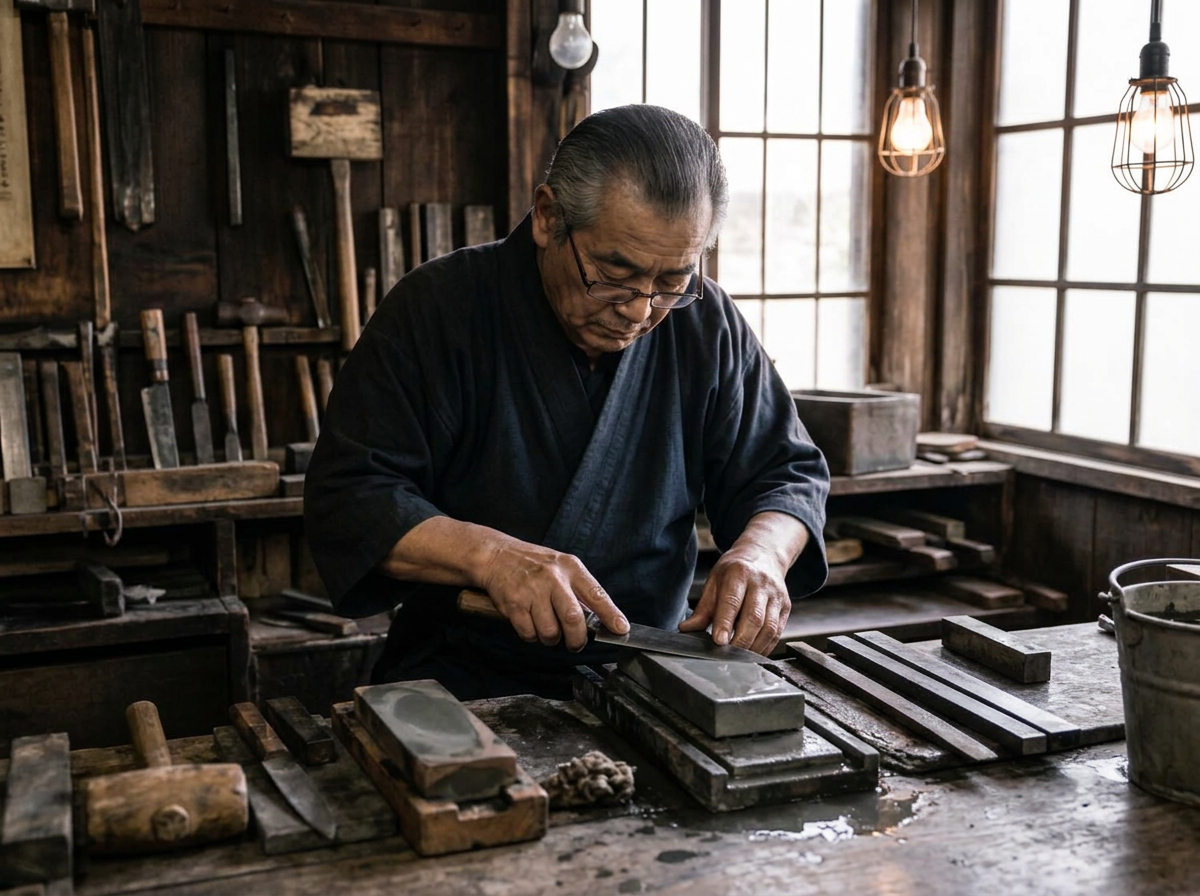
Japan procurement
We buy where the craft still lives
Our sourcing arm works on the ground in Japan — Seki, Sakai, and the small shops that never made it into a catalog. We sit with makers, handle inventory ourselves, and buy in quantities small enough that nobody has to cut corners to fill the order.
Beyond Japan we work with smiths in the US, Europe and South Asia. Same rule everywhere: we know the name of the person who made it, or we don't sell it.
The founder
Started with one ruined knife
BST started in a garage with a cheap blade that snapped mid-job and a stubborn refusal to replace it with another one just like it. One knife became a hunt: which steels actually hold, which handles survive a wet grip, which smiths answer the phone when something goes wrong.
Years of that hunt turned into a catalog and a standard we don't move: if it wouldn't survive our own work, it doesn't go on the rack.
See what made the cut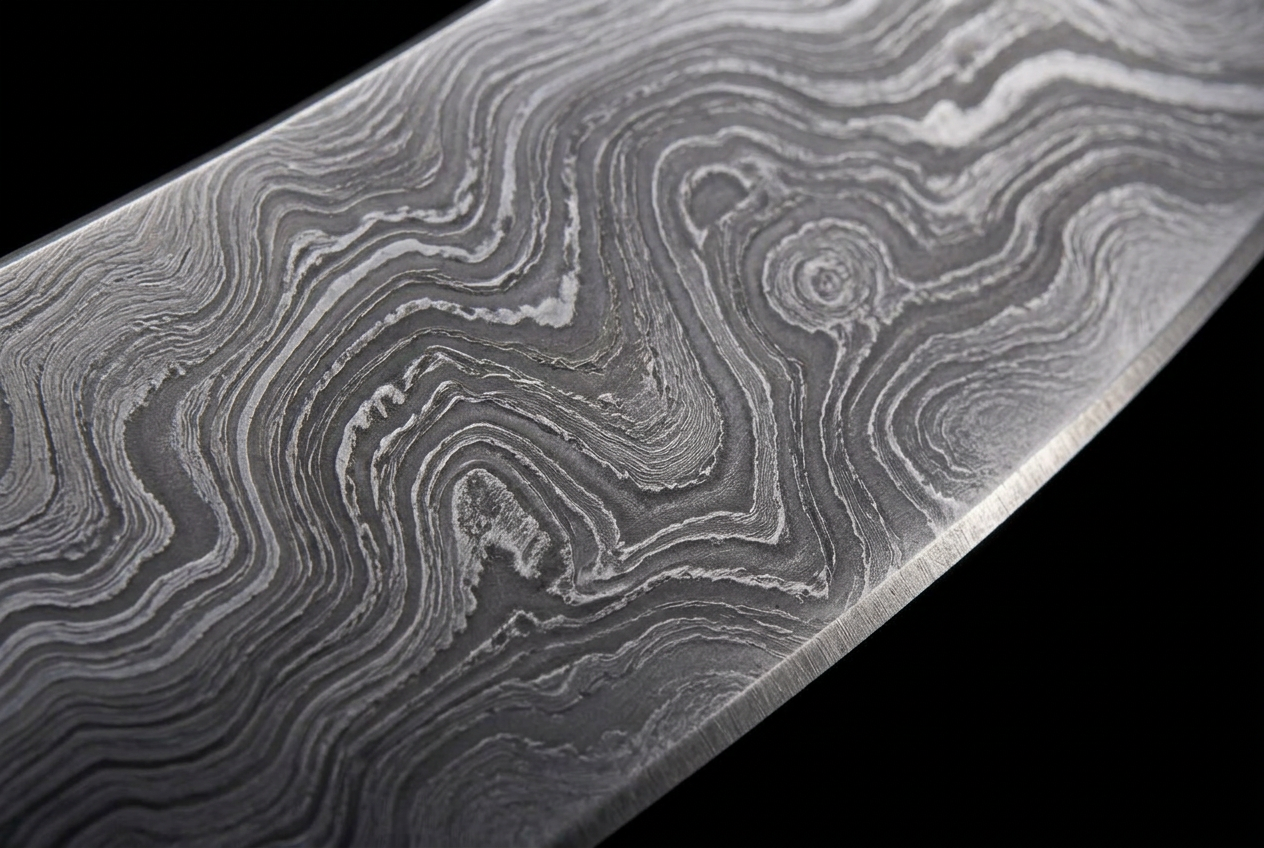
How we got here
From a phone on a tripod to a proper rack
We didn't start with a website. We started selling live — camera on, blade in hand, answering questions in real time in front of people who could call us out instantly. That is still the fastest education in this trade, and it shaped everything about how this shop works.
- 01
Live shows first
Nights and weekends on Whatnot and TikTok, selling blades one at a time on camera. Every claim had to survive being questioned live, on the spot, by buyers who already owned better knives than we did.
- 02
The buyers taught the buying
Thousands of sales later, the pattern was obvious: people wanted steel names, hardness numbers, and someone accountable when an edge failed. Nobody was asking for more filler gear.
- 03
Sourcing went direct
We stopped buying from middlemen catalogs and started going to the workshops — first through our Japan arm, then with smiths in the US and Europe. Smaller orders, better documentation, no anonymous stock.
- 04
The site exists to document
This shop is the permanent record the live shows never had: steel, origin, hardness and maker written down for every blade, so a knife can be re-checked years after you bought it.
Where the blades come from
Four regions, one rule
We buy from workshops small enough that one person's name is on the work. Their names go on the maker's card that ships with the blade — not in a marketing headline they never agreed to.
Folders and kitchen blades
Seki, Japan
Stainless-clad VG-10 and AUS-10 work from small grinding shops, plus brass-handled Higonokami folders from the traditional makers.
Carbon kitchen steel
Sakai & Tosa, Japan
Hand-forged kurouchi and blue-paper carbon gyuto, santoku and nakiri. Blacksmith and sharpener are separate trades here — both get credited.
Hand-forged Damascus
United States
One- and two-person forges running 1084/15N20 billets and modern powder steels. Short runs, documented heat treat, direct contact with the smith.
Fixed blades and value Damascus
Europe & South Asia
Workshops we've visited or vetted through repeat orders. Anything we can't trace to a named bench doesn't get bought, however good the price is.
The standard
What we turn down
Acid-etched "Damascus" where the pattern stops at the bevel
Blades with no named steel or no hardness spec
Anonymous catalog stock nobody will stand behind
Novelty edged weapons sold on shock value
Factory seconds re-labelled as hand-forged
Anything we wouldn't put in our own kitchen or pocket
BSTKNIVES LLC. 18+ only. Questions about a blade, a maker or an order go straight to justin@bstknives.com.